Fire Prevention and Control
Community Association Responsibility: The Association is responsible for the fire protection systems in common areas, corridors, parking garages, amenity spaces, and the building's shared infrastructure, while individual unit owners are responsible for what happens inside their units. The line between those
Fire Prevention and Control
Community Association Responsibility: The Association is responsible for the fire protection systems in common areas, corridors, parking garages, amenity spaces, and the building's shared infrastructure, while individual unit owners are responsible for what happens inside their units. The line between those two responsibilities is not always obvious, and the association carries direct liability for what happens in the common areas it controls.
Florida Fire Prevention Code (FFPC): Chapter 633 sets mandatory fire safety, inspection, and life-safety compliance standards for multi-family residential buildings, such as Condominiums and Cooperatives.
High-Rise and Multi-Family Retrofits: The code and related statutes impose requirements for fire protection systems—such as fire sprinklers or engineered life safety systems—in existing multi-family and high-rise buildings (such as towers 75 feet or taller), though specific opt-out or compliance rules may apply depending on legislative updates and unit owner votes.
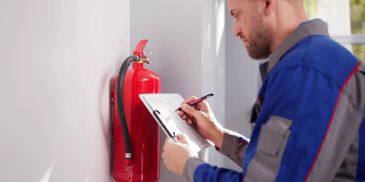
Fiduciary and Operational Compliance: CAMs and board members are responsible for ensuring that common elements undergo required fire system inspections, maintenance, and local fire official reviews to avoid code violations, insurance issues, or liability.
For Reference:
https://www.leg.state.fl.us/statutes/index.cfm?App_mode=Display_Statute&URL=0600-0699/0633/0633.html